Hearty Minestrone Soup Recipe with Fresh Arugula
As an Amazon Associate I earn from qualifying purchases and sometimes recommend products from other sellers at no extra cost you. For more details see my disclosure policy and privacy policy.
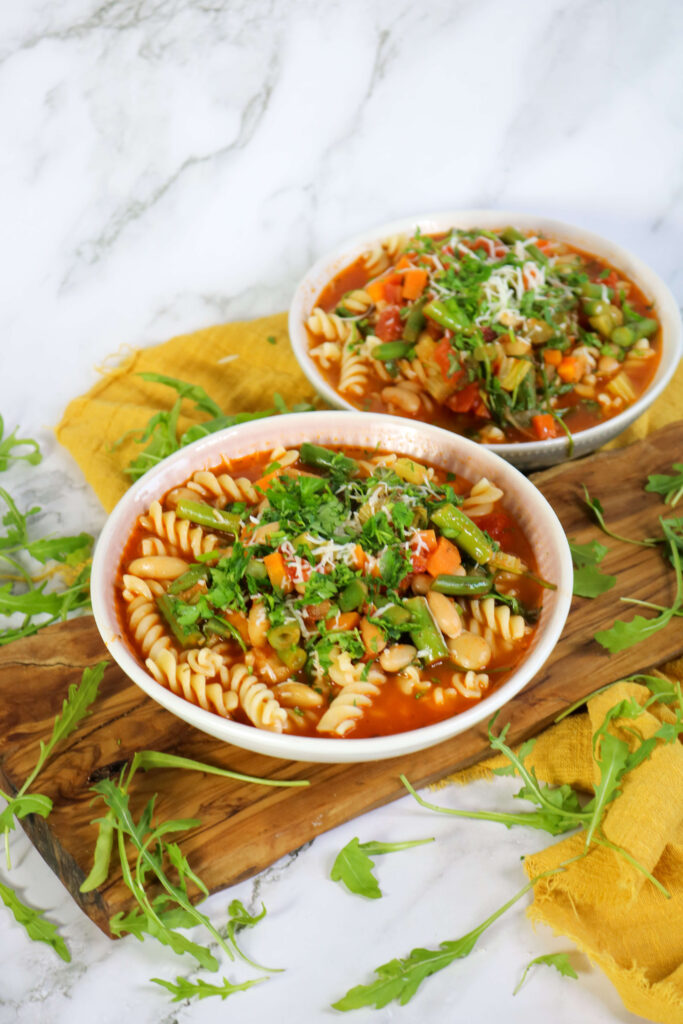
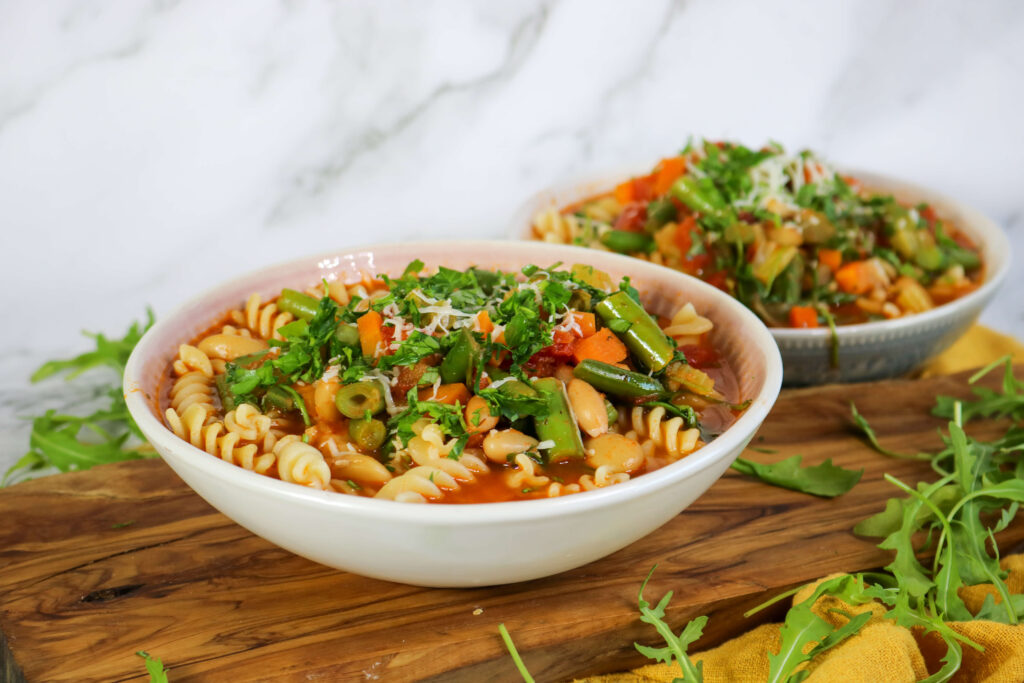
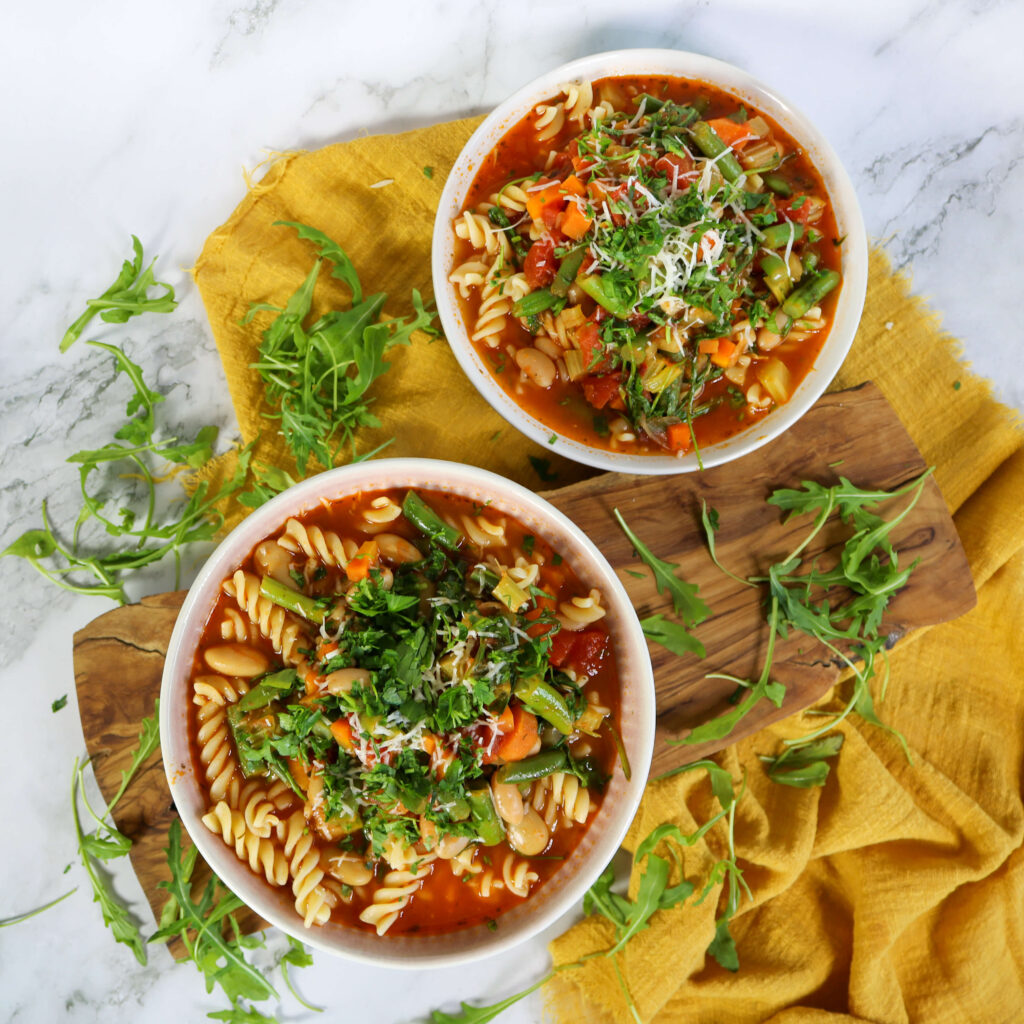
There’s nothing quite like a bowl of Hearty Minestrone Soup with Fresh Arugula to warm the soul and satisfy the palate. This vibrant, nutrient-packed soup is a symphony of flavors and textures, bringing together fresh vegetables, tender beans, and aromatic herbs in every spoonful.
Whether you’re looking for a wholesome meal to nourish your body or a comforting dish to share with loved ones, this recipe promises to deliver both health benefits and culinary delight. Join us as we dive into the steps of creating this delectable dish that will surely become a favorite in your kitchen.
Why You’ll Love This Recipe
- Bursting with Flavor: Each bite of this satisfying minestrone soup is packed with vibrant, fresh ingredients that create a symphony of taste. The blend of seasonal vegetables, herbs, and spices ensures a delicious experience in every spoonful.
- Nutrient-Rich: This soup is not only hearty and satisfying but also incredibly nutritious. With a variety of vegetables, legumes, and hearty greens like arugula, it’s a great way to get a balanced mix of vitamins and minerals.
- Easy to Prepare: Despite its complex flavors, this recipe is straightforward and easy to follow. It’s perfect for both novice cooks and seasoned chefs looking for a reliable, crowd-pleasing dish.
- Perfect for All Occasions: Whether you’re preparing a weeknight dinner, hosting a casual get-together, or looking for a comforting dish on a rainy day, this minestrone soup is versatile enough to fit any occasion.
Ingredients
- Extra Virgin Olive Oil: Adds a rich, fruity base to the soup, perfect for sautéing vegetables and deepening the flavor profile.
- Cloves Garlic: Fresh garlic cloves enhance the soup with a sharp, aromatic depth that’s both savory and slightly sweet when cooked.
- Yellow Onion: A staple in many soups, finely chopped yellow onions contribute sweetness and a mild pungency that complement the other vegetables.
- Carrots: Slice these orange roots for a touch of natural sweetness and added crunch, which balance beautifully with the broth.
- Celery: Chopped celery stalks bring a subtle bitterness and an essential aromatic foundation to the soup.
- Petite-Diced Tomatoes: Use canned or fresh for a burst of tartness and vibrant color, providing a necessary tomato base for the minestrone.
- Cannellini Beans: These tender, nutty-flavored white beans are perfect for adding protein and a creamy texture to the soup.
- Vegetable Broth: Opt for a high-quality vegetable broth to ensure a rich, full-bodied base that ties all the flavors together.
- Whole Bay Leaves: A couple of these will infuse the soup with a warm, herbal note that’s hard to replicate with other spices.
- Fresh Rosemary Leaves: Fresh rosemary, with its piney aroma, enhances the earthiness of the vegetables and beans in the soup.
- Fresh Thyme Leaves: Delivering a subtle, minty flavor, thyme adds a layer of complexity that suits this hearty dish well.
- Fresh Oregano Leaves: These leaves contribute a robust, slightly peppery flavor, synonymous with classic Italian cuisine.
- Crushed Red Pepper Flakes: Add a small amount to introduce a gentle heat that complements the fresh, vibrant flavors of the soup.
- Sea Salt and Black Pepper, to Taste: Essential for seasoning, these staples ensure that all the flavors are well-balanced and enhanced.
- Parmesan Cheese Rind: This often-overlooked ingredient provides a nutty, umami richness as it slowly melts into the soup.
- 2 c. Fusilli Pasta: Fusilli’s twisted shape captures the chunky ingredients of the soup, making every bite delightful.
- 2 c. Fresh Green Beans: Choose crisp green beans for a firm texture and a fresh, slightly sweet taste that pairs well with the other vegetables.
- 2 c. Fresh Arugula: Arugula adds a peppery bite and vibrant green color, offering a bit of brightness and a slight crunch.
Optional Garnish:
- Fresh Parsley Leaves: Finely chop these to sprinkle over the soup for added freshness and a pop of green.
- Freshly Grated Parmesan Cheese: A final touch of grated cheese on top not only adds a creamy texture but also a burst of salty, umami flavor.
Substitutions and Additions
If you’re looking to put your own spin on this Hearty Minestrone Soup or accommodate specific dietary preferences, here are some substitution and addition suggestions to consider:
Substitutions:
- Olive Oil: You can replace extra virgin olive oil with avocado oil for a slightly different but equally rich flavor profile.
- Garlic: Substitute fresh garlic cloves with garlic powder in a pinch, using about 1/8 teaspoon per clove.
- Yellow Onion: Red onions or shallots can be used as alternatives, offering a slightly different sweetness and flavor nuance.
- Carrots: Parsnips provide a comparable texture and sweetness, while adding a subtle earthiness.
- Celery: Fennel stalks can be a unique replacement, imparting a mild anise flavor to the soup.
- Petite-Diced Tomatoes: If fresh or canned tomatoes aren’t available, tomato paste or tomato sauce can be used, adjusting the quantity to maintain the desired consistency and flavor.
- Cannellini Beans: You can use any white bean like Great Northern beans or navy beans, which have a similar texture and taste.
- Vegetable Broth: Chicken broth can be used if a non-vegetarian option is acceptable; otherwise, homemade vegetable broth or even water with additional seasoning could work.
- Fusilli Pasta: Any short pasta shape works well, such as penne, rotini, or even macaroni. For gluten-free options, choose a pasta made from rice, quinoa, or chickpeas.
- Green Beans: Snap peas or even frozen peas can add a similar pop of green color and slight sweetness.
- Fresh Arugula: Spinach, kale, or Swiss chard can be used as substitutes, each bringing their own nutritional benefits and unique flavors to the soup.
Additions:
- Pancetta or Bacon: Adding small cubes of pancetta or bacon can introduce a smoky, savory depth to the soup.
- Zucchini or Squash: Diced zucchini or yellow squash can add extra freshness and variety to the vegetable mix.
- Mushrooms: Sliced mushrooms will enhance the umami component, making the soup even more hearty and flavorful.
- Lentils: For an additional protein boost, consider adding red or green lentils. They will cook alongside the other ingredients, absorbing the rich flavors of the broth.
- Lemon Juice: A splash of lemon juice before serving will add a bright, zesty note that lifts the overall flavor profile.
- Basil Pesto: Swirling a spoonful of fresh basil pesto into the bowl just before eating can offer a rich, aromatic accent that complements the flavors perfectly.
Experimenting with these substitutions and additions can help you create a minestrone soup that’s tailored to your taste preferences and dietary needs, ensuring it becomes a beloved staple in your culinary repertoire.
Instructions
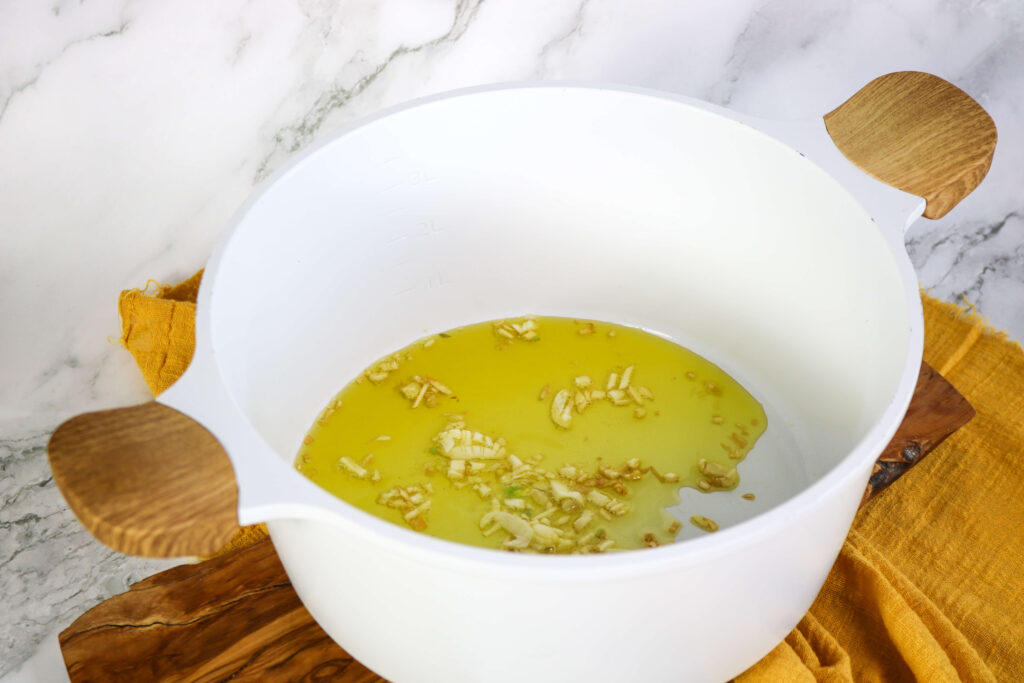
- Heat 2 tablespoons of olive oil in a large pot or Dutch oven over medium-high heat. Add the garlic and sauté, stirring occasionally, for 2-3 minutes until it begins to turn golden brown.
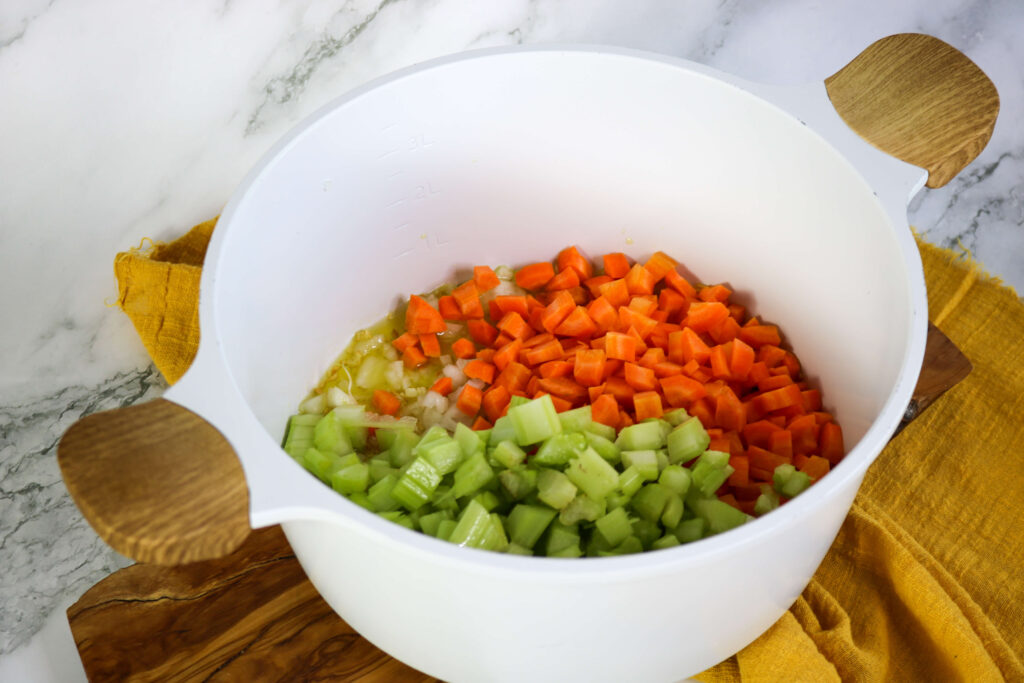
- Add chopped onion, carrot, and celery, and cook for 4-5 more minutes, stirring occasionally, until the vegetables become soft and tender.
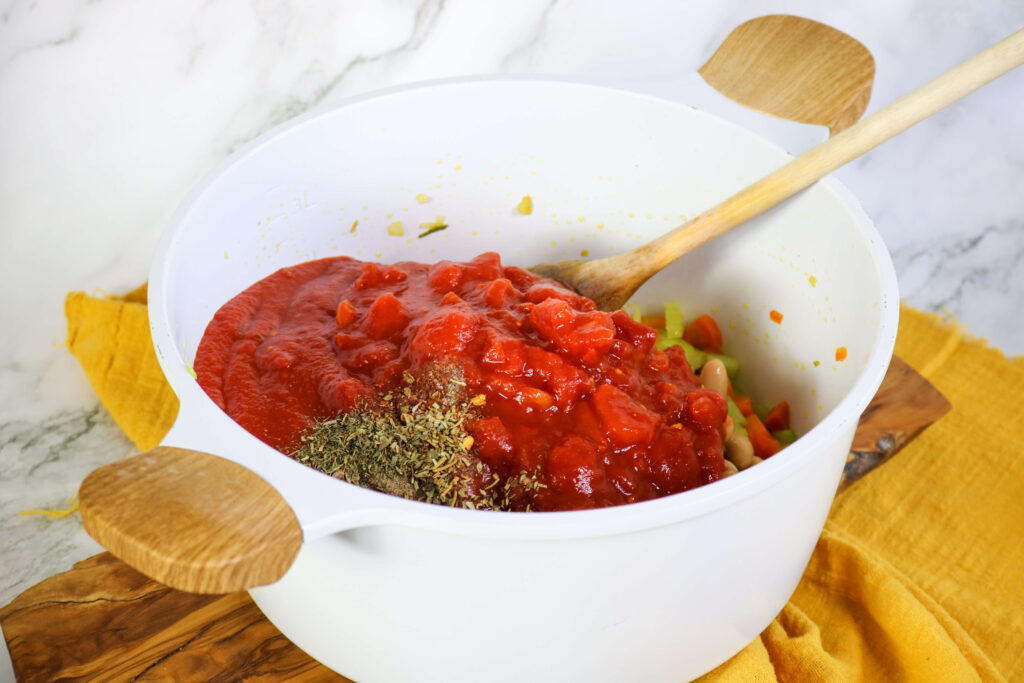
- Add diced tomatoes, cannellini beans, 4 cups of vegetable broth, bay leaves, rosemary, thyme, oregano, and red pepper flakes to the pot, stirring well to combine. If desired, include a Parmesan cheese rind, then season with salt and black pepper to taste. Bring the mixture to a boil, then reduce the heat to medium-low. Cover and let it simmer for 20-25 minutes.
- While the soup simmers, cook the pasta according to the package instructions until it reaches al dente. Reserve 1 cup of the cooking water before draining the pasta. Rinse the pasta and transfer it to a medium bowl, then toss with the remaining olive oil. Cover and set aside.
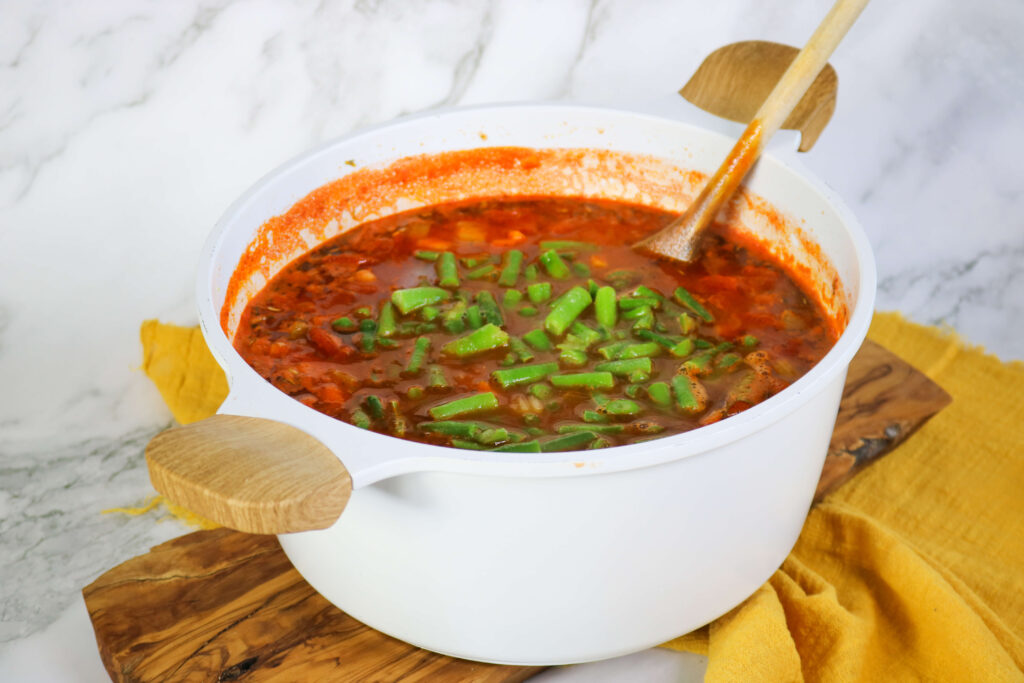
- Remove the cover from the pot or Dutch oven, then add the green beans along with the reserved pasta cooking liquid. Stir to combine, and continue cooking uncovered for an additional 20-25 minutes, or until the green beans are crisp-tender.
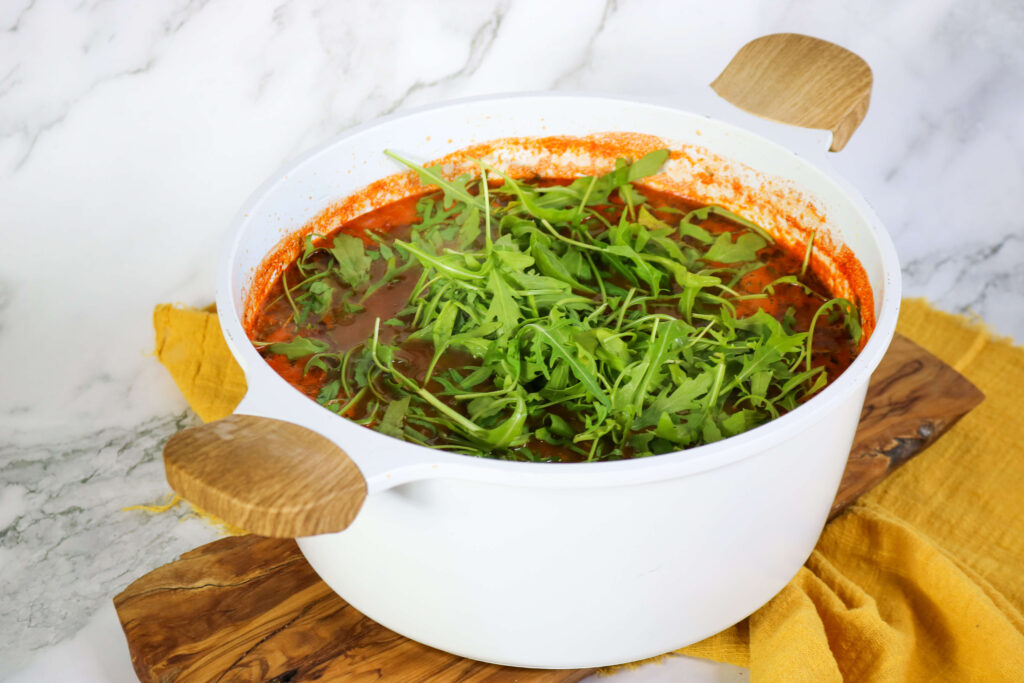
- Add arugula and extra vegetable broth if necessary, stirring to combine. Season with additional salt and pepper to taste. Cook for 2-3 minutes, or until the arugula begins to wilt.
- To serve, portion the cooked pasta into individual bowls and ladle the hot soup over the top. Garnish with chopped parsley and freshly grated Parmesan cheese, if desired. Accompany with crusty bread and a crisp green salad for a hearty, satisfying meal.
Recipe Tips
- Use Fresh Ingredients: For the best flavor, use fresh, seasonal vegetables whenever possible. Their natural sweetness and texture will enhance the soup.
- Double the Batch: This soup stores well in the fridge and freezer. Make a double batch to save time and have ready-made meals on hand.
- Pasta Precaution: Avoid overcooking the pasta by adding it directly to the soup just before serving. This prevents it from becoming too soft and mushy.
- Customizable Consistency: If you prefer a thicker soup, blend a portion of it and stir it back into the pot. If you like it thinner, simply add more broth.
- Flavor Depth: For a richer flavor, consider simmering the soup with a Parmesan cheese rind, which can be removed before serving.
- Herb Boost: Fresh herbs such as basil, parsley, or rosemary can be added just before serving for an additional burst of aroma and flavor.
- Acidity Balance: A splash of vinegar or lemon juice added at the end of cooking can brighten up the flavors and balance the richness of the soup.
- Seasoning Layers: Taste and adjust the seasoning at multiple stages of cooking. This ensures each layer of flavors is well-balanced.
Serving Suggestions
- Crusty Bread: A slice of crusty bread or a warm baguette is a perfect accompaniment to minestrone soup. It’s great for soaking up the rich, flavorful broth and adds a satisfying crunch.
- Grated Parmesan Cheese: A sprinkle of freshly grated Parmesan cheese on top of the soup adds a savory depth and enhances the overall flavor.
- Simple Green Salad: A crisp green salad with a light vinaigrette complements the heartiness of the soup and provides a refreshing contrast.
- Garlic Bread: For garlic lovers, a side of garlic bread can be a delightful addition. The buttery, garlicky flavors pair well with the robust taste of minestrone.
- Caprese Salad: Fresh tomatoes, mozzarella, and basil drizzled with balsamic glaze or olive oil can add a delicious, tangy element to your meal.
- Stuffed Peppers: For a more substantial meal, consider serving the soup alongside stuffed peppers. The flavors meld well together, and it makes for a filling and nutritious dinner.
- Olives and Antipasti: A small platter of olives, marinated vegetables, and cold cuts can provide a variety of textures and tastes that complement the soup beautifully.
- Focaccia Bread: This Italian flatbread, seasoned with rosemary and sea salt, is a wonderful dipping option that adds both texture and flavor to your dining experience.
- Bruschetta: Light and flavorful, bruschetta topped with tomatoes, basil, and a splash of balsamic vinegar is an excellent starter or side dish with minestrone soup.
Storage & Reheating
Once the minestrone soup has cooled completely, transfer it to airtight containers for future use. It can be stored in the refrigerator for up to 4-5 days. Ensure the containers are well-sealed to maintain the freshness and prevent any odors from the fridge affecting the soup’s flavor.
Can You Freeze It?
Yes, minestrone soup is an excellent candidate for freezing, making it perfect for meal prepping or saving leftovers for later use. For best results, allow the soup to cool completely before ladling it into freezer-safe containers or resealable freezer bags. Leave some space at the top of the container or bag to allow the soup to expand as it freezes. Properly stored, it will last in the freezer for up to 3 months.
How to Reheat
To reheat refrigerated minestrone soup, pour it into a saucepan and warm it over medium heat on the stovetop, stirring occasionally until it’s heated through. If the soup has thickened too much during storage, add a splash of vegetable broth or water to reach the desired consistency. In a pinch, you can also reheat individual servings in the microwave; place the soup in a microwave-safe bowl, cover it loosely, and heat on medium power in one-minute intervals, stirring in between until thoroughly heated.
For frozen soup, thaw it in the refrigerator overnight before reheating. Once thawed, follow the same stovetop or microwave reheating instructions as for refrigerated soup. This ensures the soup retains its rich flavors and comforting texture.
Recipe FAQ
Can I make this soup with different vegetables?
Absolutely! Minestrone soup is highly adaptable, and you can use a variety of vegetables based on what you have on hand or what is in season. Common additions include zucchini, peas, spinach, and butternut squash. Just be mindful of cooking times, as some vegetables may require more or less time to become tender.
Is this recipe vegetarian or vegan?
This minestrone soup recipe can easily be made vegetarian by using vegetable broth as the base and ensuring any toppings, such as Parmesan cheese, are vegetarian-friendly. To make it vegan, simply omit any cheese and double-check that all broth and ingredient choices are free of animal products. The soup is hearty enough to stand alone without animal-based ingredients.
Can I add meat to the minestrone soup?
Yes, you can add meat if you prefer. Cooked sausage, ground beef, or shredded chicken all make excellent additions and can boost the protein content of the soup. If using cooked meats, add them in during the final 15 minutes of cooking to ensure they are heated through without becoming overcooked.
Should I cook the pasta separately?
While it is recommended to add the pasta directly to the soup just before serving to prevent it from becoming too soft, you can also cook it separately and add it to individual bowls. This method is particularly useful if you plan on storing leftovers, as it allows you to control the pasta’s texture better.
What if my soup is too thick or too thin?
If your soup turns out too thick, you can easily thin it by adding more broth or water until you reach the desired consistency. On the other hand, if it is too thin, you can thicken it by blending a portion of the soup and stirring it back in, or by allowing it to simmer uncovered for a little longer to reduce the liquid content.
Hearty Minestrone Soup Recipe with Fresh Arugula
There's nothing quite like a bowl of Hearty Minestrone Soup with Fresh Arugula to warm the soul and satisfy the palate. This vibrant, nutrient-packed soup is a symphony of flavors and textures, bringing together fresh vegetables, tender beans, and aromatic herbs in every spoonful.
Ingredients
- 3 T. extra virgin olive oil, divided
- 2-3 cloves garlic, finely minced
- ½ medium yellow onion, finely chopped
- 3 medium carrots, finely chopped
- 3 large stalks celery, finely chopped
- 1 28-oz. can petite-diced tomatoes, undrained
- 1 15.5 oz. can cannellini beans, drained and rinsed
- 4 c. organic vegetable broth*
- 2 whole bay leaves
- 1 T. fresh rosemary leaves, finely chopped (or 1 t. dried)
- 1 T. fresh thyme leaves (or 1 t. dried)
- 1 T. fresh oregano leaves (or 1 t. dried)
- ½ T. crushed red pepper flakes
- Sea salt and black pepper, to taste
- Optional: 3” Parmesan cheese rind
- 2 c. Fusilli pasta
- 2 c. fresh green beans, cut into ½” pieces
- 2 c. fresh arugula
Optional Garnish:
- ¼ c. fresh parsley leaves, chopped
- Freshly grated Parmesan cheese
Instructions
- Heat 2 tablespoons of olive oil in a large pot or Dutch oven over medium-high heat. Add the garlic and sauté, stirring occasionally, for 2-3 minutes until it begins to turn golden brown.
- Add chopped onion, carrot, and celery, and cook for 4-5 more minutes, stirring occasionally, until the vegetables become soft and tender.
- Add diced tomatoes, cannellini beans, 4 cups of vegetable broth, bay leaves, rosemary, thyme, oregano, and red pepper flakes to the pot, stirring well to combine. If desired, include a Parmesan cheese rind, then season with salt and black pepper to taste. Bring the mixture to a boil, then reduce the heat to medium-low. Cover and let it simmer for 20-25 minutes.
- While the soup simmers, cook the pasta according to the package instructions until it reaches al dente. Reserve 1 cup of the cooking water before draining the pasta. Rinse the pasta and transfer it to a medium bowl, then toss with the remaining olive oil. Cover and set aside.
- Remove the cover from the pot or Dutch oven, then add the green beans along with the reserved pasta cooking liquid. Stir to combine, and continue cooking uncovered for an additional 20-25 minutes, or until the green beans are crisp-tender.
- Add arugula and extra vegetable broth if necessary, stirring to combine. Season with additional salt and pepper to taste. Cook for 2-3 minutes, or until the arugula begins to wilt.
- To serve, portion the cooked pasta into individual bowls and ladle the hot soup over the top. Garnish with chopped parsley and freshly grated Parmesan cheese, if desired. Accompany with crusty bread and a crisp green salad for a hearty, satisfying meal.
Notes
- Use Fresh Ingredients: For the best flavor, use fresh, seasonal vegetables whenever possible. Their natural sweetness and texture will enhance the soup.
- Double the Batch: This soup stores well in the fridge and freezer. Make a double batch to save time and have ready-made meals on hand.
- Pasta Precaution: Avoid overcooking the pasta by adding it directly to the soup just before serving. This prevents it from becoming too soft and mushy.
- Customizable Consistency: If you prefer a thicker soup, blend a portion of it and stir it back into the pot. If you like it thinner, simply add more broth.
- Flavor Depth: For a richer flavor, consider simmering the soup with a Parmesan cheese rind, which can be removed before serving.
- Herb Boost: Fresh herbs such as basil, parsley, or rosemary can be added just before serving for an additional burst of aroma and flavor.
- Acidity Balance: A splash of vinegar or lemon juice added at the end of cooking can brighten up the flavors and balance the richness of the soup.
- Seasoning Layers: Taste and adjust the seasoning at multiple stages of cooking. This ensures each layer of flavors is well-balanced.
Nutrition Information:
Yield: 6 Serving Size: 1Amount Per Serving: Calories: 343Total Fat: 9gSaturated Fat: 2gTrans Fat: 0gUnsaturated Fat: 7gCholesterol: 3mgSodium: 987mgCarbohydrates: 52gFiber: 11gSugar: 8gProtein: 15g